
Recurring Revenue Shouldn’t Require Recurring Work
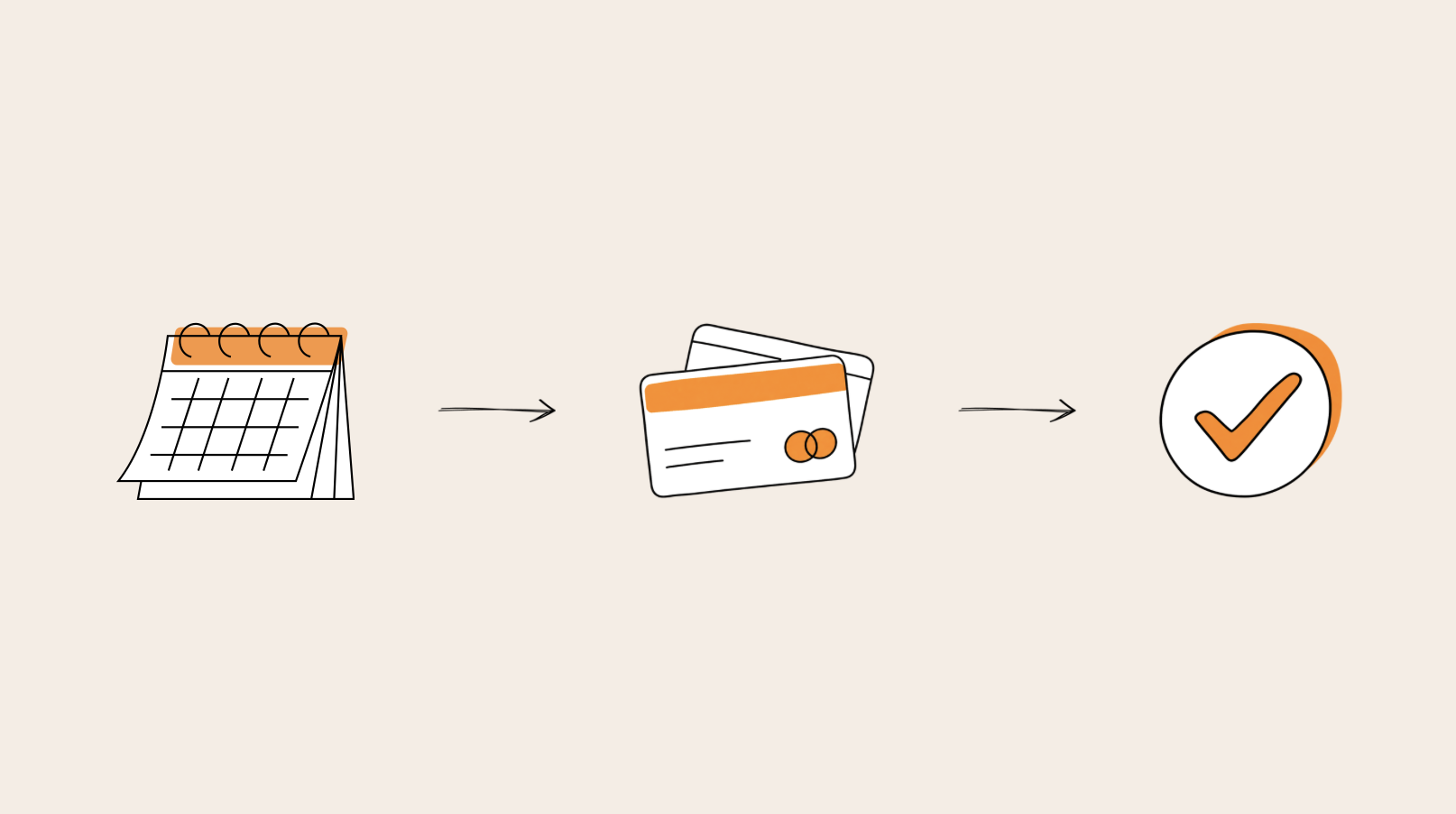
Recurring revenue can create stability for a business.
Subscriptions, memberships, retainers, service plans, and repeat billing models can make revenue more predictable while helping businesses build longer-term customer relationships.
But recurring revenue should not also create recurring administrative work.
When every repeat payment needs to be manually requested, entered, followed up on, or reconciled, the payment process can quickly become inefficient.
The payment infrastructure should support the business model rather than creating more work around it.
Recurring Businesses Need a Different Payment Workflow
A traditional transaction usually happens once.
A customer buys a product or service, completes the payment, and the transaction is finished.
Recurring businesses operate differently.
A membership may renew every month. A service provider may charge clients on a regular schedule. A company working on retainers may need to collect the same payment repeatedly.
When those transactions are managed manually, teams may spend unnecessary time sending invoices, collecting payment details, following up on missed payments, or re-entering information.
Recurring billing technology is designed to automate much of that process.
Automated Billing Can Reduce Manual Work
One of the main advantages of recurring payment technology is automation.
Instead of asking a customer to manually complete the same transaction each billing cycle, businesses can create a structured payment schedule.
Depending on the payment setup, recurring billing can help automate:
Regularly scheduled charges
Subscription renewals
Membership payments
Service plan billing
Retainer payments
This can reduce repetitive administrative tasks and allow employees to focus on other areas of the business.
A Consistent Payment Experience Helps Customers Too
Recurring billing is not only about internal efficiency.
It can also make the payment experience easier for customers.
When customers know that their membership, subscription, or service payment will be processed according to an agreed schedule, they do not need to repeatedly complete the same checkout process.
That consistency can be particularly useful for businesses where the customer relationship continues over several months or years.
A smoother payment process removes unnecessary friction from that relationship.

Remote Payments Can Support Repeat Services
Not every recurring transaction happens in person.
Many businesses provide services remotely, work with clients across different locations, or collect payments without a physical checkout.
That makes remote payment capabilities an important part of the recurring billing conversation.
Payment solutions that support remote transactions can allow businesses to manage repeat payments without requiring the customer to be physically present.
This can be useful for professional services, membership businesses, subscription models, and companies working with recurring clients.
Recurring Billing Can Simplify Collections
Collections can become time-consuming when businesses depend on employees to manually remind customers that a payment is due.
Automated recurring billing can create a more predictable process.
Payments can be scheduled according to the business agreement rather than initiated manually each time.
That does not eliminate every payment issue, but it can reduce the number of transactions that require direct intervention.
For businesses managing many recurring customers, even small reductions in manual payment work can make a meaningful operational difference.
The Payment Setup Should Match the Revenue Model
Not every business collects revenue in the same way.
A restaurant, a subscription company, a professional service provider, and a membership-based business may all require different payment workflows.
That is why payment processing should not be treated as a one-size-fits-all system.
Businesses with recurring revenue need technology that can support repeat transactions, remote payments, and the way customers are actually billed.
Feenix works with businesses to implement payment solutions based on those operational needs, including recurring and remote transaction capabilities.

Conclusion
Recurring revenue can make a business more predictable.
The payment process behind it should be predictable too.
Businesses should not need to manually recreate the same payment workflow every week or every month.
Automated recurring billing can help reduce repetitive work, simplify collections, and create a more consistent experience for customers.
If recurring payments are an important part of your business and your current process still requires too much manual work, Feenix can help you build a payment setup that better fits the way you get paid.

About Us
At Feenix, we help businesses across the U.S. accept payments more easily and affordably. Our goal is to simplify every transaction, lower your processing costs, and provide flexible solutions that fit the way you do business — whether you run a storefront, service-based company, or online operation. We're here to be your partner in growth, not just your payment processor.
